About Islamic Preach
Allah help those who help themselves.
In Islam, the popular saying "Allah helps those who help themselves" is not a direct Hadith but beautifully reflects core Quranic teachings on effort (sa'i) and reliance on Allah (tawakkul).
Key Quranic Reference: Allah says in the Quran:
“Indeed, Allah will not change the condition of a people until they change what is in themselves.” (Surah Ar-Ra'd 13:11)
Non-Muslim to understand islam purity and faith way
Read & Learn Islam religion with purity and faith way

Every human to learn in his life islam religion.
Online Authentic Islamic Website
Islamic & Academy Education
Hadith & Sunnah
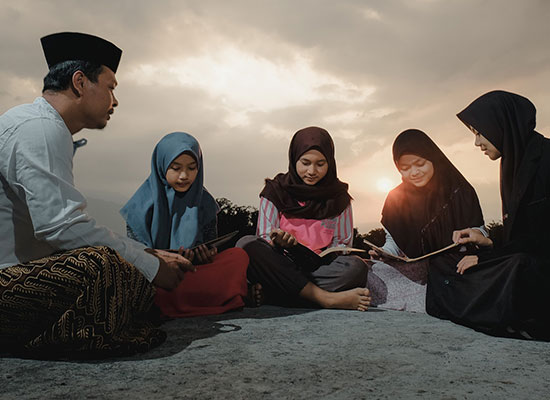
Read & Learn Quran
Activities
Surah At-Tawbah (9:18) "The mosques of Allah are only to be maintained by those who believe...
Read MoreCharity (Sadaqah) and the obligatory alms (Zakat) hold immense value in Islam, serving as acts of wo...
Read MoreThe Holy Quran is best meant to be recited, but also understood, practiced, and taught to others. Le...
Read MoreIn Islam, Hadith and Sunnah are the second primary source of guidance after the Quran. They are esse...
Read MoreIn Islam, the education and upbringing (Tarbiyah) of children is one of the most important responsib...
Read MoreIn Islam, helping orphans is one of the most important and highly rewarded acts of worship. It is a...
Read More8–13 Dhul Hijjah 1447 AH
Eid Ul Adha (also spelled Eid al-Adha) is the Festival of Sacrifice, one of the two major Islamic festivals (the other being Eid Ul Fitr). It is celebrated on the 10th of Dhul-Hijjah, the 12th month of the Islamic lunar calendar, and lasts for 3–4 days.
It commemorates Prophet Ibrahim’s (Abraham, peace be upon him) complete submission and obedience to Allah. Allah commanded him in a dream to sacrifice his beloved son Ismail (Ishmael, peace be upon him). Both father and son willingly submitted. At the moment of sacrifice, Allah replaced Ismail with a ram. This event symbolizes taqwa (piety), sacrifice of worldly attachments, and total trust in Allah.
It also coincides with the completion of the Hajj pilgrimage in Makkah.
Coming Soon Date A.H
Eid Ul Fitr is the happy festival of breaking the fast. It is celebrated on the 1st of Shawwal, right after the holy month of Ramadan ends. Muslims thank Allah for giving them the strength to fast and pray during Ramadan. On this day, they perform special Eid prayer, give Zakat al-Fitr (charity) to the poor, wear new clothes, eat sweets, visit family and friends, and spread joy and forgiveness. It is a day of gratitude, happiness, and sharing blessings.
Sermons
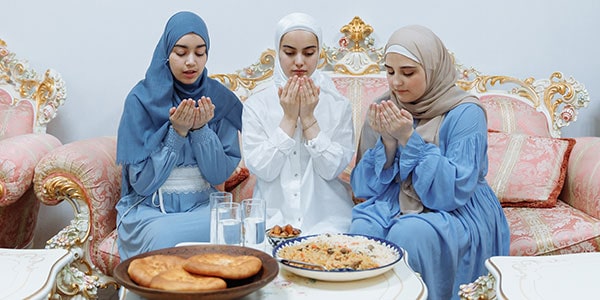
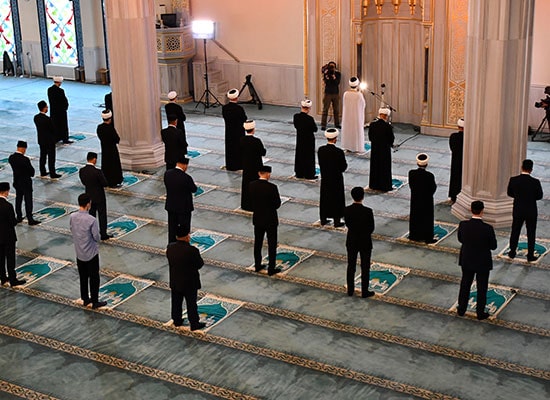
The most effective way to draw close to Allah is by fulfilling all obligatory acts (Fard) first — especially praying the five daily prayers (Salah) on time with full concentration — then increasing voluntary worship. Allah says He becomes closer when His servant performs the obligatory duties and then adds nafl (voluntary) deeds until He loves him. Key steps include: daily Quran recitation with reflection, abundant dhikr (remembrance of Allah), sincere repentance (Tawbah), giving charity, following the Sunnah of Prophet Muhammad ﷺ, making dua in sujood, and maintaining good character. Consistency, sincerity, and avoiding sins are essential. The closer you get to Allah, the more peace and blessings you will find in this life and the Hereafter.
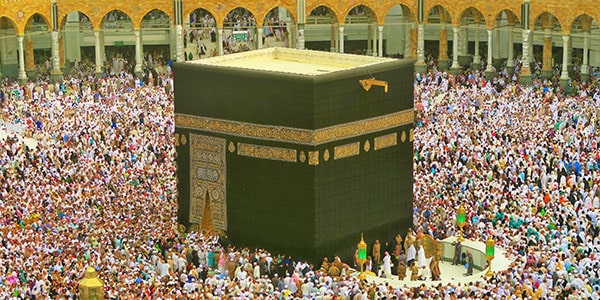
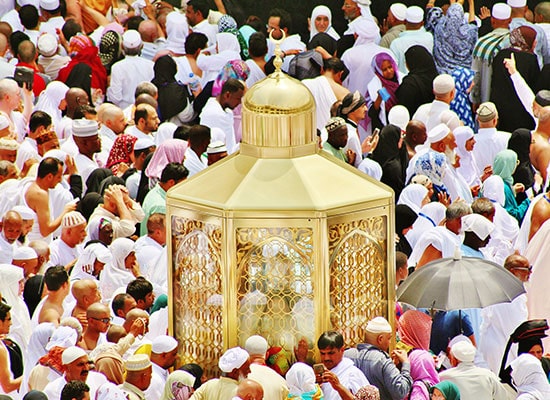
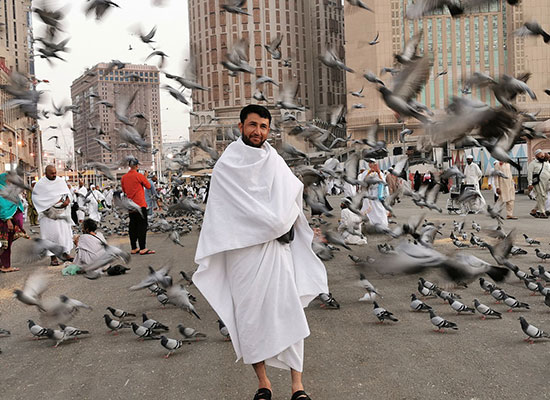
Hajj is the fifth pillar of Islam and a once-in-a-lifetime obligation for every Muslim who is physically and financially able. It is a sacred journey to Makkah where millions of Muslims gather in unity, wearing simple white clothes, to worship Allah alone. Hajj teaches complete submission to Allah, equality of all people, and sacrifice, just like Prophet Ibrahim (AS). Through Hajj, sins are forgiven, the heart is purified, and a person returns spiritually renewed — like a newborn. Allah says in the Quran: “And [due] to Allah from the people is a pilgrimage to the House — for whoever is able to find a way to it.” (Surah Al-Imran 3:97).
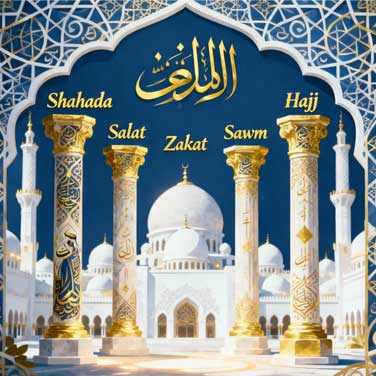
The Five Pillars of Islam are the most important foundations of a Muslim’s faith and life. They are: Shahada (declaration of faith), Salah (five daily prayers), Zakat (charity), Sawm (fasting in Ramadan), and Hajj (pilgrimage to Makkah). These pillars strengthen a Muslim’s relationship with Allah, build good character, purify the soul, and create unity in the Muslim community. They are like the strong columns that hold up the entire structure of Islam. Whoever follows them sincerely fulfills their duty to Allah and achieves success in this life and the Hereafter.
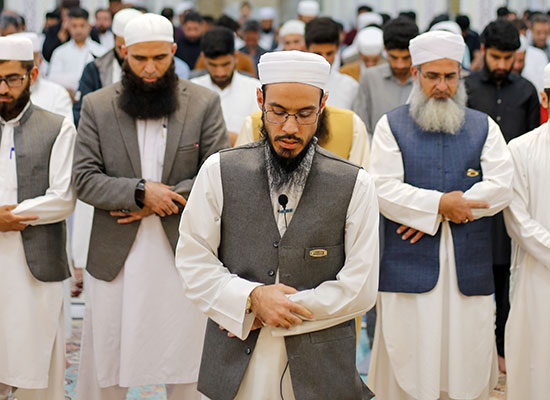
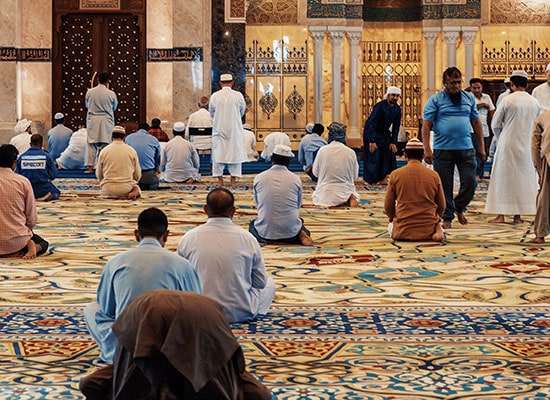
My first feeling in Salah was very peaceful. I really like going to the mosque for prayer. Slowly and steadily, I started reading the Quran and offering prayers regularly. Now, I have strong trust in Allah, and I believe that all good guidance comes from Allah.
More Details
My first day of Umrah was very exciting. When I reached Mecca and saw the Kaaba for the first time, I felt great happiness and peace in my heart. I touched the Kaaba and said, “Allahu Akbar.” I also drank a lot of Zamzam Water. It had a wonderful taste. After that, I performed my Umrah with great joy and emotion. Now, my wish is to go for Hajj in the future.
More Details
Lorem ipsum dolor sit amet, consectetur adipiscing elit, sed do eiusmod tempor incididunt ut labore et dolore magna aliqua. Ut enim ad minim veniam, aliquip ex ea commodo consequat.
Comming Soon